
Boat Internet Solutions: 4G/5G Marine Connectivity for Yachts
Reliable boat internet depends not only on the router but also on the right antenna and system architecture. BağLAN Marine provides 4G/5G internet, Wi-Fi, marine antennas, multi-SIM routers and mobile communication solutions for boats, yachts and commercial vessels.
Configured for needs ranging from coastal cruising to offshore operations, our product range covers 2-SIM, 4-SIM and 6-SIM 4G/5G routers, professional marine antennas, 4G/5G cellular repeater systems and GNSS solutions.
Every solution is selected and configured with BağLAN's 38 years of experience in communication technologies.
How Is 4G/5G Boat Internet Provided?
Boat internet connectivity is provided by a mobile network, a 4G/5G router, a suitable marine antenna system and the onboard Wi-Fi infrastructure working together. While the router connects to the mobile operator's network, a correctly positioned outdoor antenna system helps establish a more stable RF link.
Once the mobile connection is established on the router, internet is distributed over Ethernet or Wi-Fi to users, cameras, navigation systems and other IP devices on board. On boats where connection continuity matters, multi-SIM and operator redundancy can be used to adapt to changing coverage conditions.
Router and Antenna Selection for a Boat Internet System
The performance of a boat internet system depends on choosing the router and antenna correctly together. On yachts making long passages, what matters is not only high theoretical speed but keeping the connection under different coverage conditions.
What to consider when choosing a router
- Supported 4G/5G frequency bands
- MIMO configuration and antenna port count
- Number of SIMs (2, 4 or 6 SIM)
- Number of Ethernet ports and Wi-Fi features
- Use case: coastal cruising, marina, offshore
Examples: AMIT VHG87B 5G marine router · Peplink marine router
Antenna selection and installation
- Mount the antenna at an open point.
- Leave adequate distance from metal surfaces and other RF equipment.
- Do not extend the antenna cable unnecessarily. Long coaxial cable causes significant loss, especially at higher frequencies.
- Cruising area, distance from shore, port count, frequencies and mounting height must be evaluated together.
Details: Marine antenna selection guide · Marine antenna installation · Manufacturer: Poynting
Where Should the Router Go: Technical Room or Inside the Antenna?
In a boat internet system, the router's location directly determines the length of the antenna cable and therefore the RF loss. Two approaches are used depending on the boat's structure and installation conditions.
Router in the technical room
- The router sits indoors, close to the power and network infrastructure.
- The marine antenna is mounted outside and connected to the router by coaxial cables.
- Keep the cable short and choose low-loss cable; losses rise quickly in 5G and higher bands.
- Access to the router, SIM changes and maintenance are easy.
Examples: AMIT VHG87B + Poynting SWIRL
Router inside the antenna housing
- The router is placed in the outdoor housing together with the antenna.
- RF cable loss between the antenna and the modem is practically eliminated.
- Only an Ethernet / PoE cable runs into the boat.
- As SIM access is limited, eSIM, remote SIM management or SIM Injector support becomes important.
Multi-SIM for Uninterrupted Internet on Boats and Yachts
Coverage changes constantly during a passage. Operator coverage can differ markedly between the coast, marinas, bays and the open sea. A multi-SIM router is therefore a significant advantage for connection continuity.
Operator redundancy
When the active operator's connection becomes unavailable, the router automatically switches to an alternative SIM. This takes advantage of the coverage areas of different operators.
Traffic distribution and multi-WAN
In advanced systems, SIM connections are used not only as backup but also for traffic distribution. Managing several WAN connections together increases capacity and continuity. With Peplink SpeedFusion, cellular and satellite links can be bonded in a single tunnel; see Peplink marine solutions for details.
BağLAN Marine Solutions
Explore our detailed pages for every part of a boat internet system: router and antenna packages, Poynting marine antennas, Peplink solutions that bond 5G with Starlink / OneWeb satellite links using SpeedFusion, cellular repeaters and GNSS.

Marine Antenna Selection Guide
Antenna selection by vessel type and router port count, with application pages for yachts and commercial vessels.
Selection guide →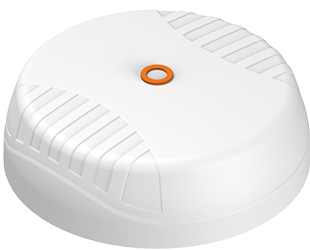
Poynting SWIRL Marine Antenna
A multi-port marine antenna family combining 4×4 and 8×8 MIMO cellular, Wi-Fi and GNSS ports in a single housing.
SWIRL antennas →
Marine 4G | 5G | Wi-Fi Antennas
Professional Poynting marine cellular and Wi-Fi antennas for boats and yachts.
Explore antennas →
Peplink Marine Solutions
MAX BR1 Pro 5G and dual-modem MAX BR2 Pro, satellite integration with Orbit WAN, SpeedFusion, and Poynting SWIRL, RIPPLE and WaveHunter antennas.
Peplink marine →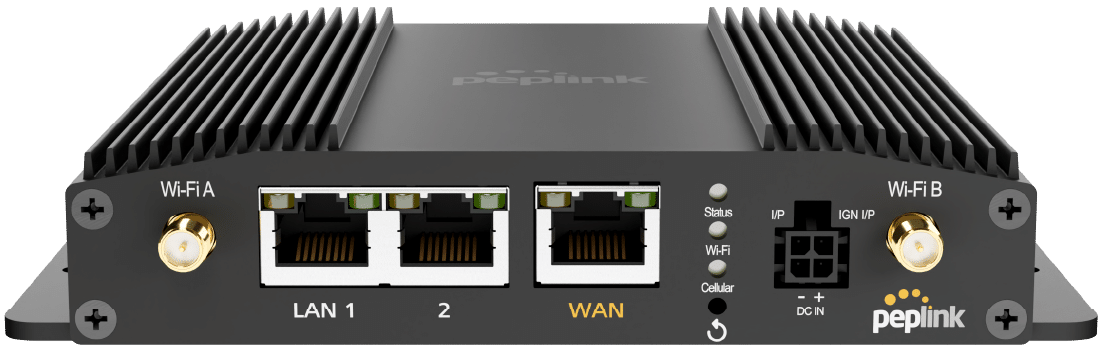
SWIRL-4 for MAX BR1 Pro 5G
Poynting SWIRL-4 vs Maritime 40G for the Peplink MAX BR1 Pro 5G: port match, gain, polarisation and cable loss.
Antenna selection →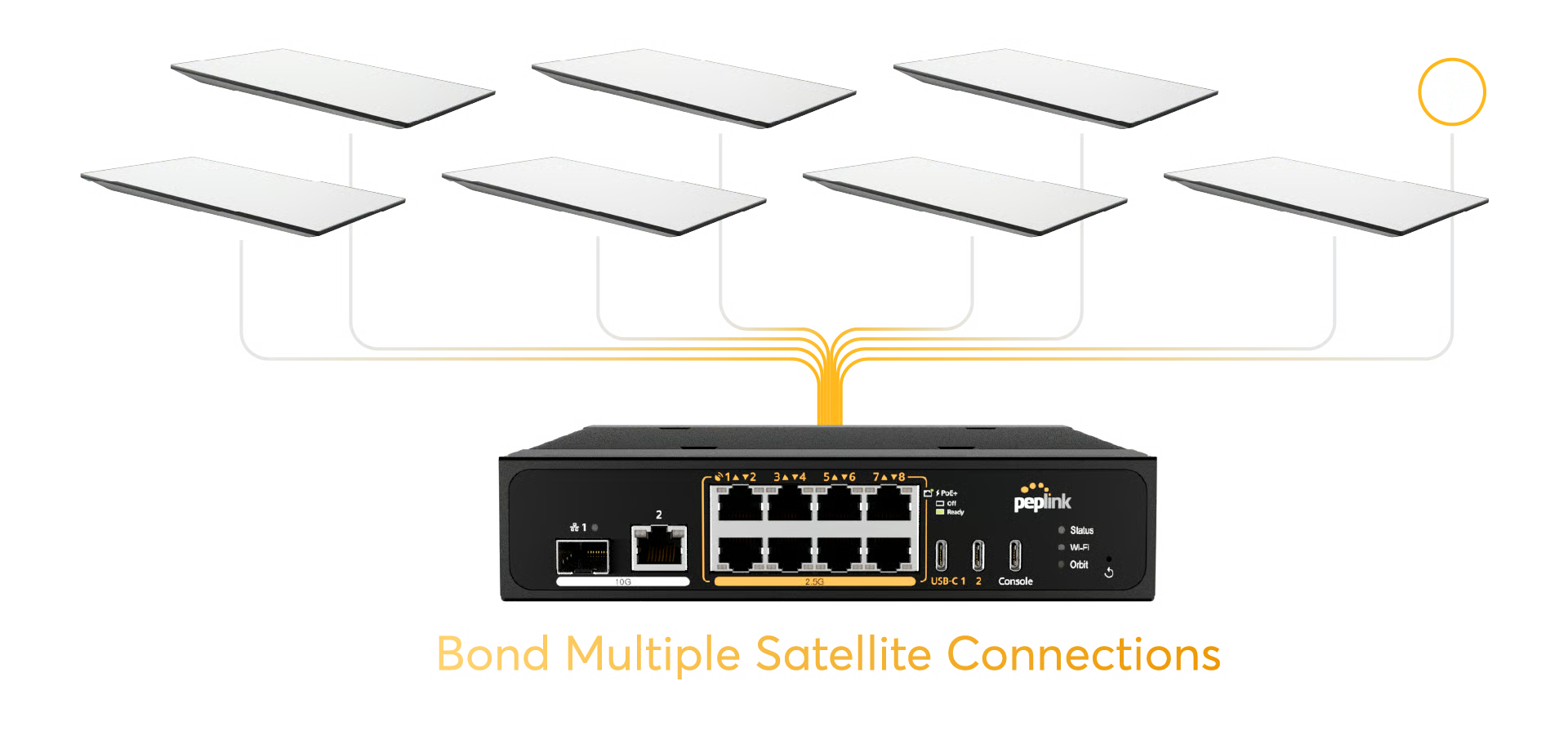
Peplink MAX Orbit 2 / 4 / 8
A router series that bonds multiple Starlink and OneWeb terminals and an external 5G link with SpeedFusion.
MAX Orbit →
4G | 5G Cellular Repeater
Stella Doradus marine repeater solutions for phones in the boat's living areas.
Repeater solutions →
RouterAMP Marine
A repeater and combiner that gives the onboard router a connection up to 30 km from shore.
RouterAMP Marine →
GNSS Antennas
Harxon GPS/GNSS antennas for navigation and positioning systems.
GNSS antennas →Let's find the right boat internet solution for you
Share your cruising area, boat layout and usage needs, and we will configure the router, antenna and system setup for you.